Taxi

You can find taxi ranks outside many railway stations, some large stores and at other obviously busy places, like shopping centres.

The famous black cab is, well, famous and usually black, though possibly covered in advertising.

Taxi drivers complete a course called The Knowledge which is notoriously tough but gets them to learn and understand the roads and destinations in London. So you rarely see a black cab driver using GPS.
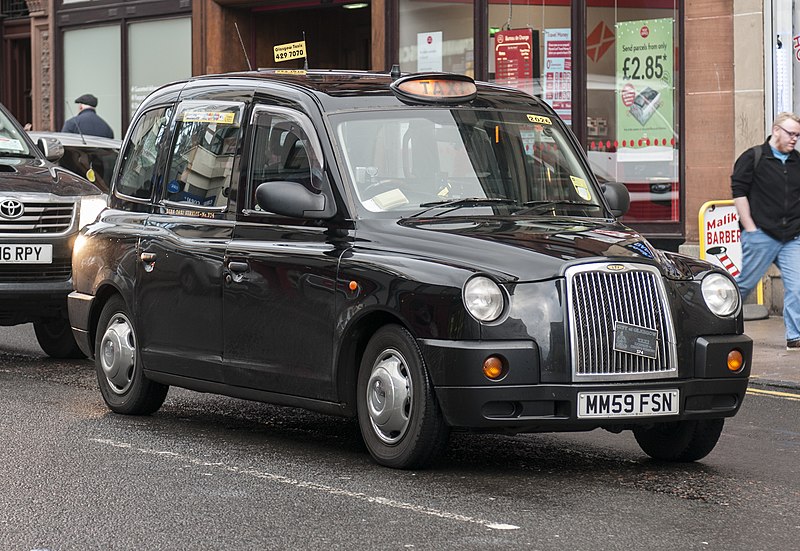
Although there may be differences in model designs, London black cabs are basically the same. The only variation is that some have automatic opening and closing of passenger doors, and most do not. If you get one with automatic doors, don’t force them. Let the doors do their stuff.
Posted in London, Travel | Tagged | Leave a comment

The Overground

For years there were plans to shut down a whole set of train lines across the north of London to passengers. Stations were closed and demolished (especially the historic Broad Street). Trains were old and tatty and broken. It was all really horrible.

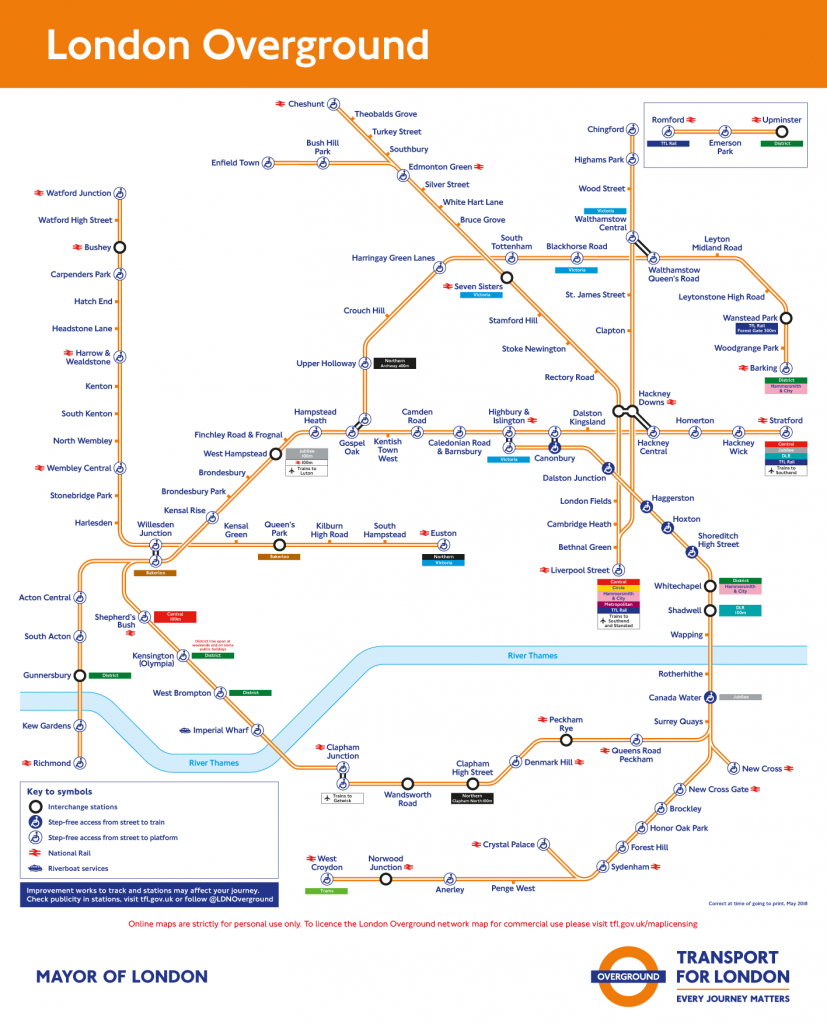
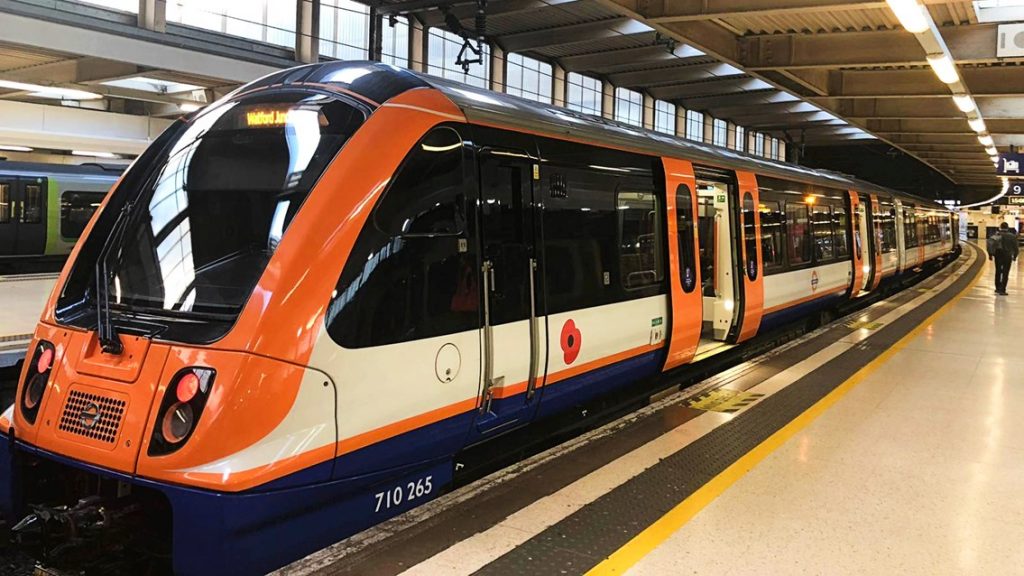
Then someone had a bright idea: let’s take all the old bits of lines, add some new, refurbish the stations and add new ones, get fancy trains and integrate it all together and call it The Overground. It opened in around 2007 and is now hugely popular.

It’s also very extensive, as you can see. In fact, in February 2024 it was announced that each part of the system would be given a different colour to make navigation easier.

It is a proper train service. It operates like the tube with the same methods of payment and zones. Stations may have barriers (eg Whitechapel) or they may not (eg Crouch Hill) but you always need to touch in and touch out, and possibly use the pink card reader if you are doing a change.

Posted in London, Public transport, Travel | Tagged | Leave a comment

The Elizabeth line, Docklands rail and trams

The Elizabeth line

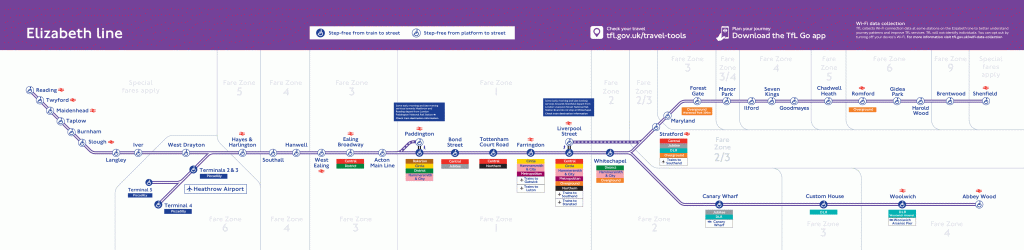
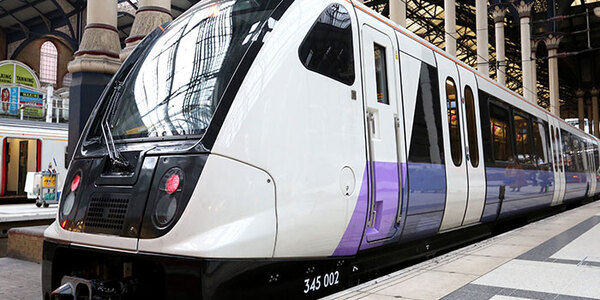
The Elizabeth line is one of London’s newest. It uses some older tracks and a new underground set of tunnels to connect Reading and Heathrow in the west (including Slough, change for Windsor) to Docklands, Woolwich, Abbey Wood and Shenfield in the east. There are many interchanges.

In central London is has stops at Paddington, Bond Street, Tottenham Court Road, Farringdon and Liverpool Street.

For payment, you can use Oyster apart from the bit west of West Drayton or contactless anywhere. Touch in and touch out.

There’s a frequent service. It varies between busy and jam packed. It also has a patchy record for reliability and can be closed at times for works.

It is not an Underground service, just normal trains that happen to run underground for the central part of the journey.

The stations are enormous and the platforms long. Getting down to them can involve long escalators and even longer walks.

Posted in London, Public transport, Travel | Tagged | 1 Comment