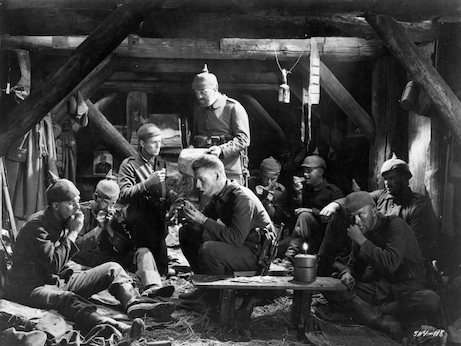
Released in 1930, I suppose in modern days it would be classed as an ‘epic’, with big scenes of warfare plus a human tale of sacrifice.
A few facts. It’s black and white, has sound, speech but minimal music, runs about two and a half hours, was also released in a silent version using a second camera at the time of shooting, and was re-made in 1979 in a more tv friendly, colour version.
The story is simple. The film follows a group of boys who are recruited to fight in a war for Germany. It shows the terrible conditions they suffer and the horrors of war and their ultimate deaths, while the families at home celebrate their heroism and say they should be proud to fight and die.
And, of course, it has that famous end.
There are many films that are described as “anti-war”. Some, like Kubrick’s “Full Metal Jacket” are not so clearly anti-war at all, but this certainly is. It is a harrowing tale with a grim end. At the time of release, some countries, eg parts of Australia, banned it for ‘pacifism’.
It does get shown in cinema clubs are there are good versions available on home media, as it comes up to its 100th anniversary.
I know people who will not watch a black and white film, ever. I know people who will not watch a film if it is foreign or silent because they won’t read subtitles or intertitles. These people are missing some great art.
From around the time of “City Lights”, still black and white (or maybe tinted of course) and silent, here are a few to look out for. It will probably have to be home media:
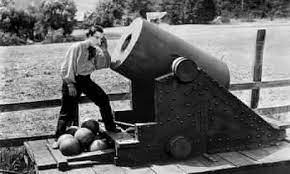
“The General” – Buster Keaton
A tale of love and trains set in the American Civil War and made in 1926, so relatively recent history for many people.
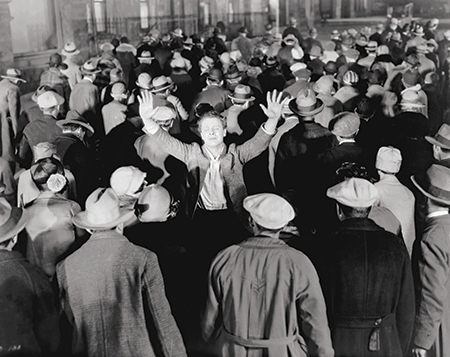
“The Crowd” – King Vidor
The story of ordinary people in a miserable world.
Not a happy tale.
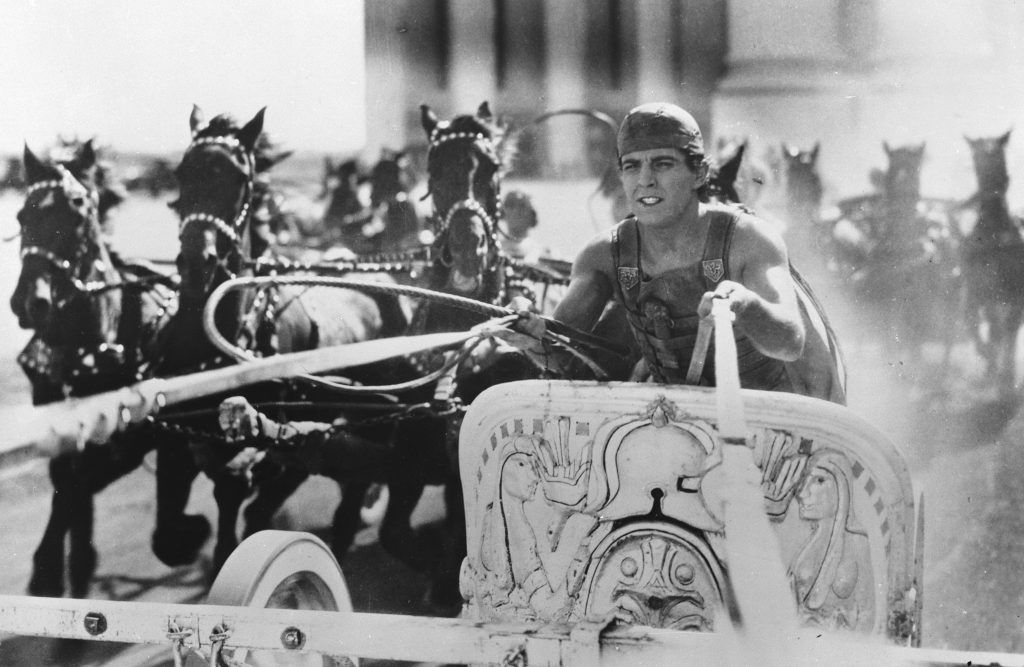
“Ben Hur” – Fred Niblo
Not the 1950s Charlton Heston piece, but the original 1925 version.
This is film most know for the exciting chariot race, but see the 1925 version. It is way more exciting, especially on the big screen.
Posted inFilms|Comments Off on Other films for your consideration I
If you have not seen Chaplin’s film “City Lights” then you should. It is available on home media, but it does get show, rarely but it does, in cinemas, with an audience. It is one of Chaplin’s best films, maybe his very best and appears on top lists of the best films ever made. One list has it as the 11th best American film ever. Chaplin as the tramp in this film has appeared in “The 100 Greatest Performances of all Time” lists.
A few facts. It’s a black and white film, around 87 minutes, started production in 1928 and released in 1931. The film was silent in the sense that there is no recorded dialogue, there are still intertitles but there are synchronised sound effects and music. The music was mostly written by Chaplin.
Here is a summary of the plot. There are no spoilers, even for a film nearly 100 years old:
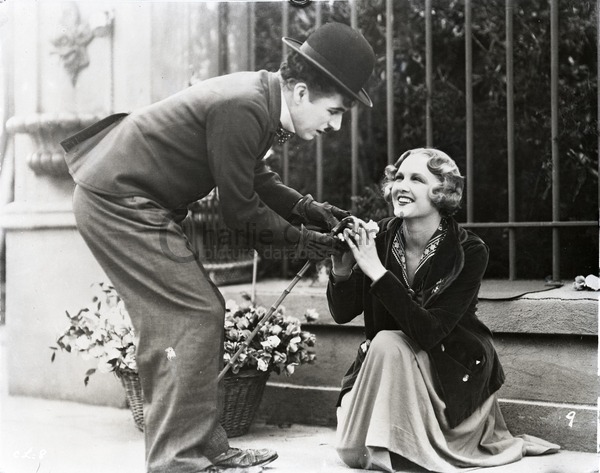
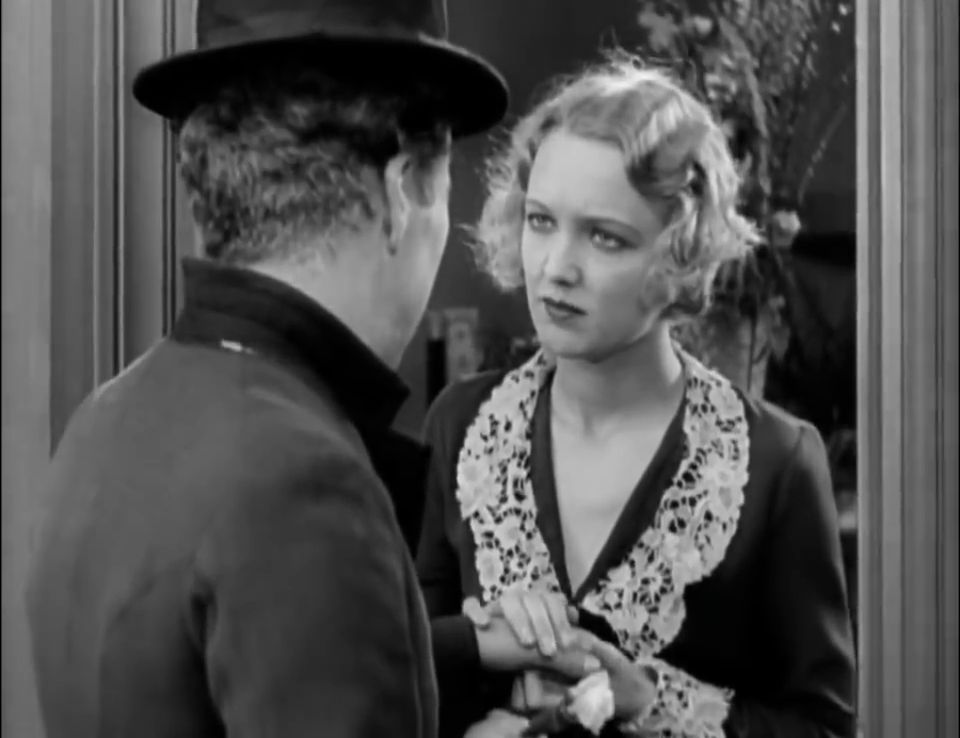
The tramp sleeps on the streets of the city. He encounters a girl selling flowers and realises she is blind.
By an unfortunate set of sounds, a car door slamming, the girl thinks he is a rich person. The tramp falls for the girl and finds ways to get money so the girl can have a better lifestyle and, ultimately, an operation to restore her sight.
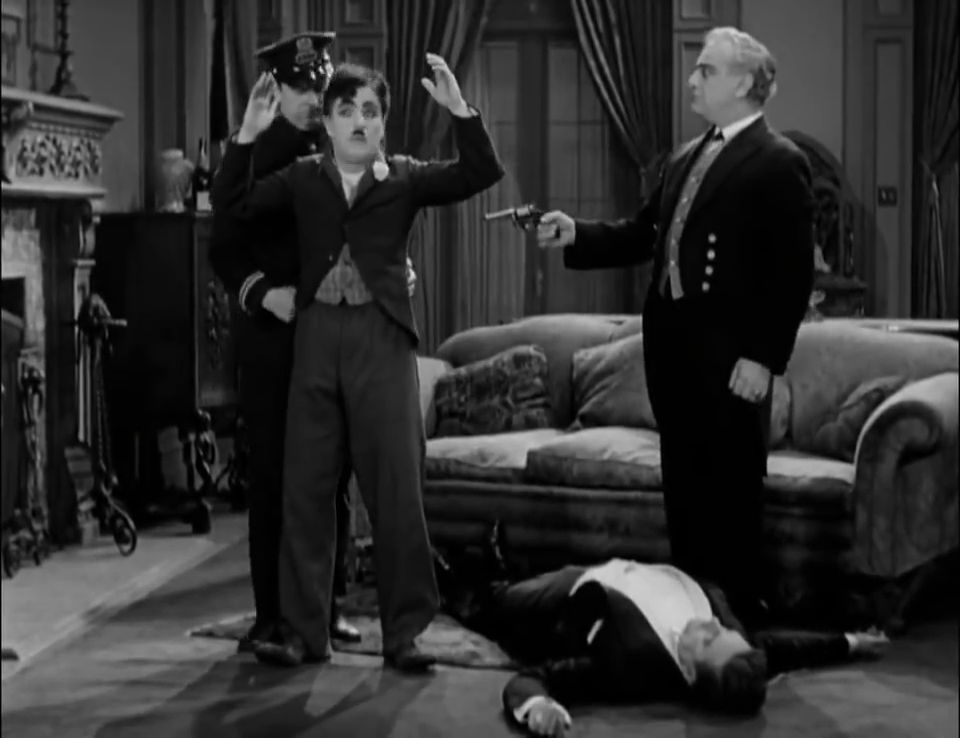
Ultimately, he finds himself in prison. When eventually he is released, months later, he returns to find the girl but she is gone.
If you want to know more, see the film. If you have seen the film, it will be clear that this was planned as a silent film from the start. Talking would destroy the poetry of many of the scenes.
A lot has been written or asked about the meaning of the film. Was the blind girl a representation of Chaplin’s real mother, the drunk his father, what city are we in and so on? Or is it just a simple tale with serious bits and funny bits and a love story at its heart?
The film has a long production history. It’s complicated. The “Unknown Chaplin” series covers much of it, the days, weeks shooting just one scene, crew and actresses being sacked and re-hired, Chaplin stuck and with no way to proceed. The DVDs for these documentaries are still available and poorer quality copies are on-line.
Some parts of the tale strain credulity. It is never explained what causes the girl’s blindness, or how the operation works, and how so quickly and without leaving any mark. The drunk’s amnesia is somewhat overdone, convenient and unbelievable, but apparently based somewhat in truth. And how had the tramp never seen the girl before?
At the start, for the unveiling of the statue, Chaplin distorts the sound, mocking sound movies and also the pomposity of the dignitaries as they reveal, well, a statue to what? The tram finds it suits his needs, as a bed.
The boxing match is wonderful and hilarious. The scenes with the drunk go on too long and are boring after a while. They are there to serve the plot, of course, but could be cut.
Since we are doing no spoilers, the final part is not mentioned here, but, of course, it is a fantastic end to a film, perhaps one of the best ends to any film.