“Yellow Submarine”

Not a Beatles film this, not really. The Fab Four had made two feature length films but wanted no more, so they gave permission, and four unused songs, for this 1968 animated classic.

The plot: Pepperland is invaded by the Blue Meanies and their fiendish army to destroy all jollity and the repress the population. Old/young Fred is sent to Liverpool to get help.

The parts of the film were done by different animators, explaining the changes in style (not a bad thing). Involved were TVC, who later made The Snowman.

As well as the four new songs, oldies but goodies were included, for example All You Need Is Love, Nowhere Man, When I’m Sixty-Four and many more. The orchestral score, partly based on Beatle tunes, was by George Martin.

The lads did not do their own voices. They could have, and I suspect they regretted it at the end when they saw just how good the film was. Instead, the voices were by stalwart British comedians/actors such as Dick Emery, John Clive, Geoffrey Hughes and Lance Percival. The Beatles appear at the end, very briefly.

It’s a wonderful film, funny and clever and taking inspiration from many great songs.

A highlight for us is the Eleanor Rigby scene near the start, perfectly capturing the gloom of northern England.
“Thunderbirds Are Go”/”Thunderbird 6”

The 1960s was a high spot in British television. The Avengers, The Prisoner, Dr Who, The Saint, great drama and, of course, the series created by Gerry Anderson. Many, most of his at this time were marionettes: Fireball XL5, Supercar, Stingray and Captain Scarlet (kind of, no strings), but the best of all and most beloved was Thunderbirds.

The Tracy family live on, er Tracy Island. They spend their time saving people from dangerous situations, all the time maintaining their secrecy, except when they don’t. We never understood this – weren’t people in danger somewhere all the time, and what did the other rescue services ever do?

The series was good at the start but became dull and all Lady Penelope nonsense by the end. It only ran for 32 episodes, barely two series, but still gets big audiences if it is shown today.

Other films for your consideration VII

I think it is probably fair to say that Stanley Kubrick was his supreme best in and around the 1960s. Let’s forget about “Spartacus”. Before this decade, Kubrick’s films were interesting but rather crude and lacked budget. After about the mid 1970s, despite the wonderful film “The Shining”, Kubrick was not productive and his last film, “Eyes Wide Shut” is disappointing.

But let’s remember some others:

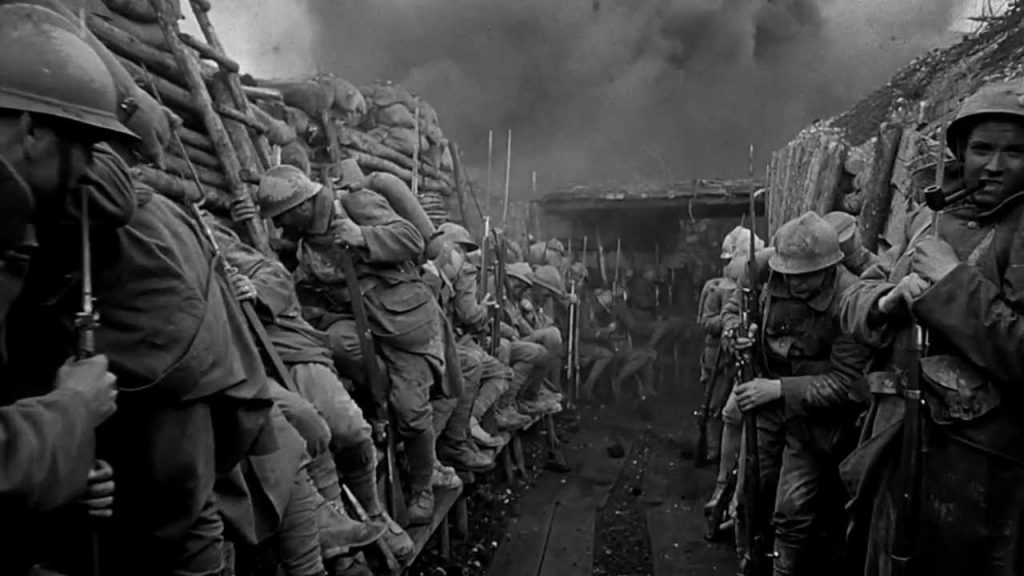
“Paths Of Glory” from 1957 is included because it is a film that has gained respect over the years. Starring Kirk Douglas, it is the story of a French mission during the First World War.

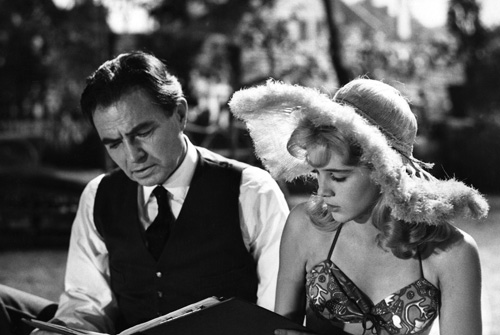
After “Spartacus” came “Lolita”. James Mason stars and the script is by original author Nabokov.

Mason is excellent, and it’s played as a black comedy rather than any kind of sex film.

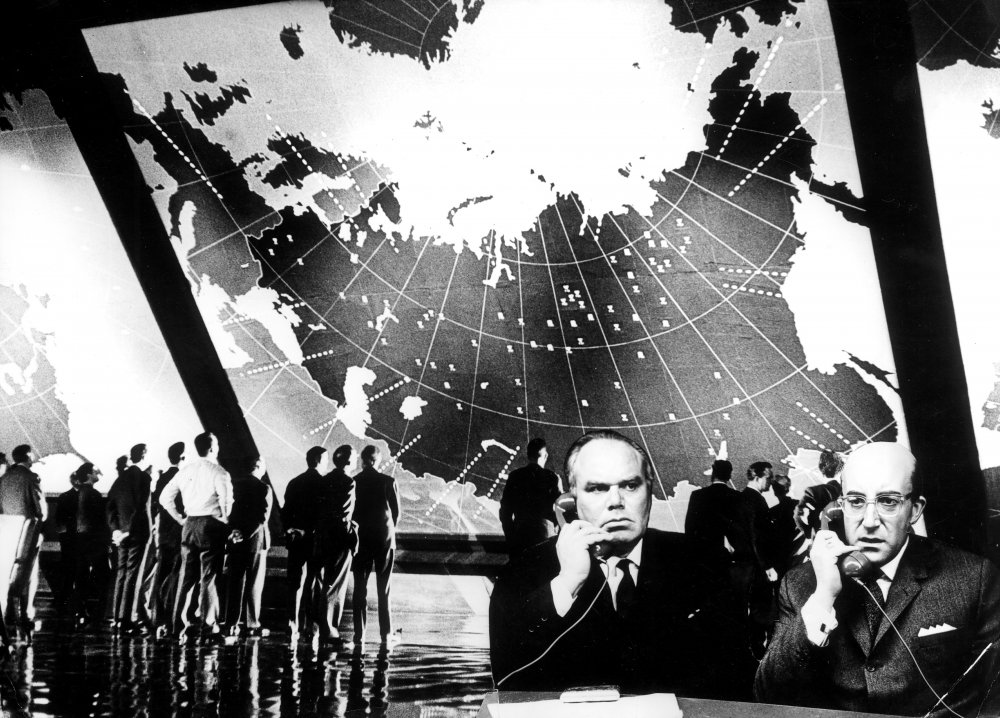
Peter Sellers is in this and also “Dr. Strangelove or: How I Learned to Stop Worrying and Love the Bomb”, another black comedy about the destruction of the world. Sellers plays multiple parts and is not a reason for seeing this film.

Apart from “Spartacus”, Kubrick was still making black and white films but moved into colour with “2001: A Space Odyssey”.

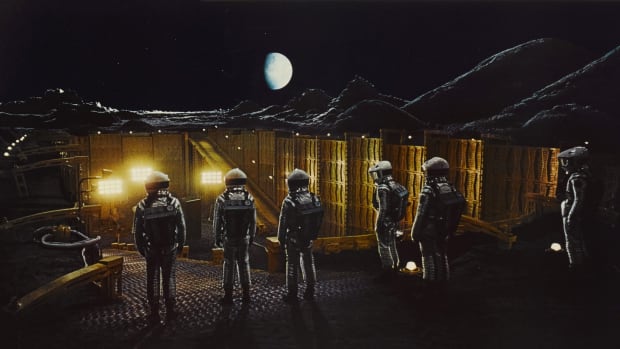
So much has been written about this big screen epic from 1968. You do have to see it on a very big screen, and not a digital version either, to see the level of detail. It totally convinces, and many people put this in their top five films of all time.

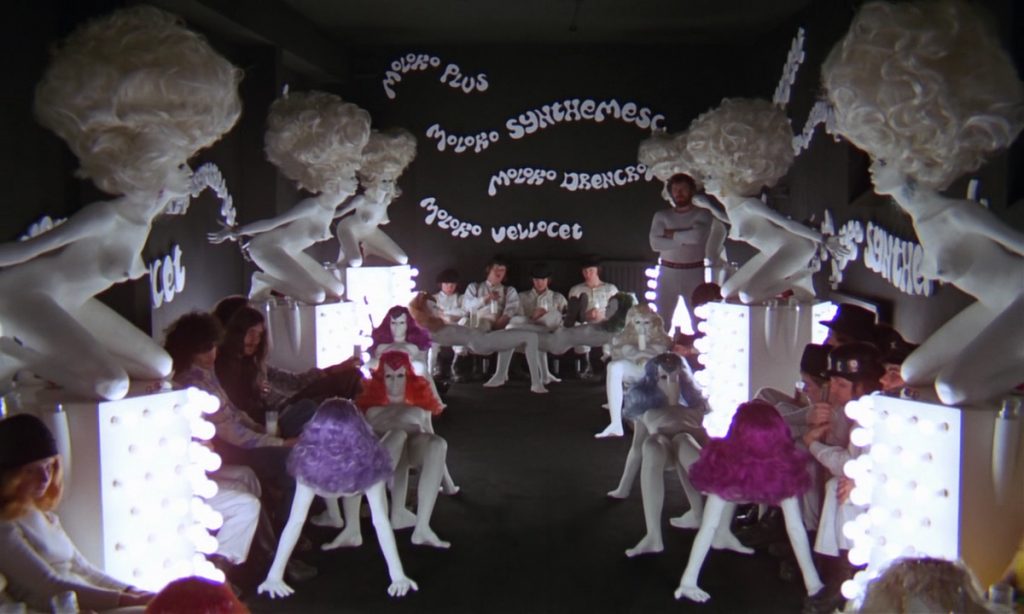
By 1971, Kubrick needed to show he could make a film quickly and to a limited budget, and so “A Clockwork Orange” was adapted into a film.

Not shown in the UK for many years, the actual original version we saw at the Warner’s cinema in Leicester Square is not available, and some changes have been made to make it slightly more palatable. Malcolm McDowell does not stick his finger into Adrienne Corrie’s bum hole, for example. It’s a film of its time. Actually, it was supposed to be 1980.