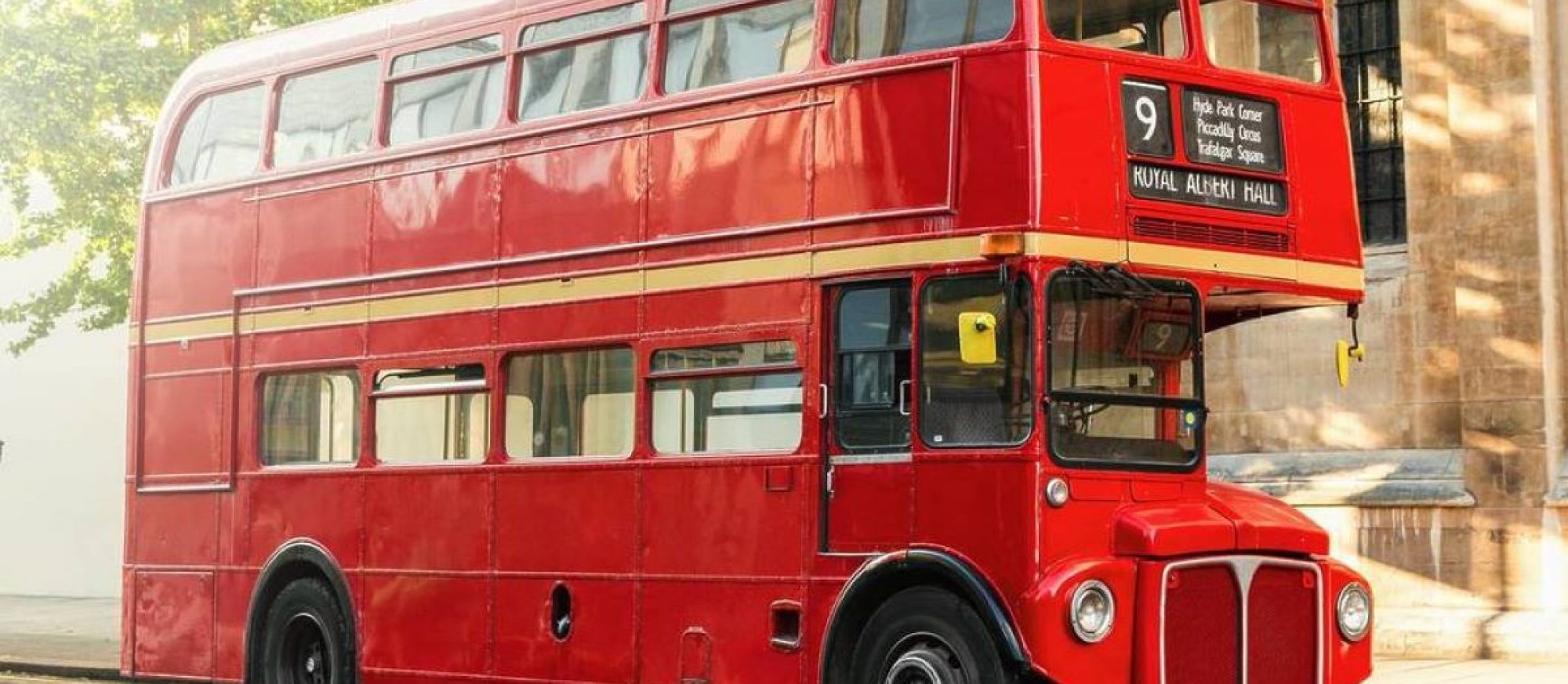
The Elizabeth line, Docklands rail and trams

The Elizabeth line

The Elizabeth line is one of London’s newest. It uses some older tracks and a new underground set of tunnels to connect Reading and Heathrow in the west (including Slough, change for Windsor) to Docklands, Woolwich, Abbey Wood and Shenfield in the east. There are many interchanges.
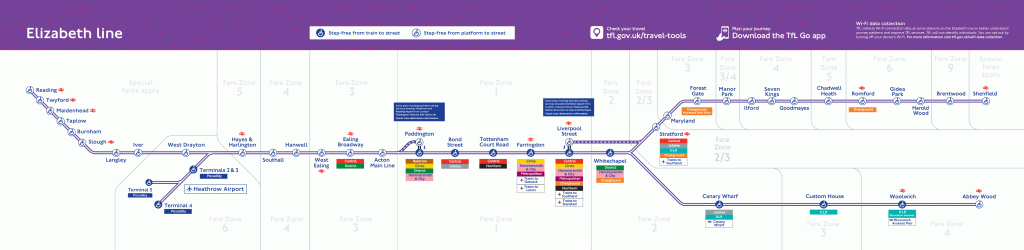
In central London is has stops at Paddington, Bond Street, Tottenham Court Road, Farringdon and Liverpool Street.

For payment, you can use Oyster apart from the bit west of West Drayton or contactless anywhere. Touch in and touch out.
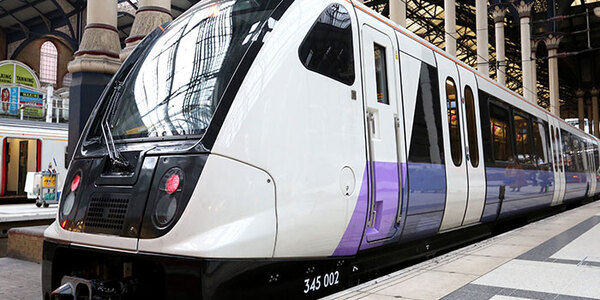
There’s a frequent service. It varies between busy and jam packed. It also has a patchy record for reliability and can be closed at times for works.

It is not an Underground service, just normal trains that happen to run underground for the central part of the journey.

The stations are enormous and the platforms long. Getting down to them can involve long escalators and even longer walks.

Train strikes

It seems that the UK has been in the grip of transport strikes for more than a year, and they continue.

The main ones currently seem to be train and tube strikes. As we write this, new ones start tomorrow and continue for a block of time.

If you are in London, or anywhere in the UK, and intend to travel, then you may be affected.

There are plenty of places to find information on what actually is happening. The BBC shows the dates and services affected as soon as they are available, and this is always in advance of any action.

Different unions strike on different days and for different reasons. So you may find, for example, a day when Heathrow Express is running but the Underground is not, then the next day Heathrow Express has a strike but the tube is normal.

A strike can mean many things. There can be literally no service on a line for a day, or there can be a very restricted service, maybe one train an hour. If it’s the latter, the train companies usually show some kind of a temporary timetable.

What you may also find is that the service late the night before a strike is affected as trains need to be moved to certain places, and the day after a strike can also be disrupted.