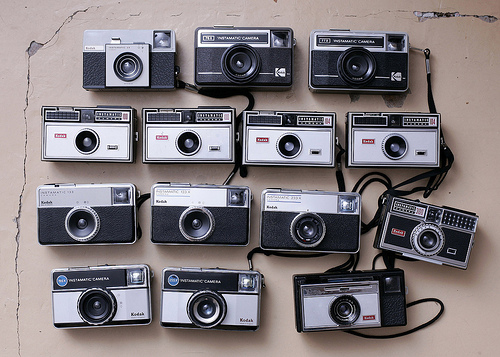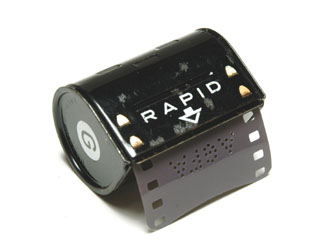
I have a friend who had a really expensive, (analogue) roll film (35mm) camera from a very good and well-known manufacturer, complete with accessories, lenses and all that stuff. He used it a lot, for family snaps, holidays and more, like a super point and shoot machine. One day he was grumbling to me: “it’s really complicated, has all these features that I don’t use…” and etc.
A year or so ago, maybe more, he bought a digital camera from the same manufacturer. This is not a dig at the manufacturer at all, or their products, they are a super company that make great kit.
So, he bought a very expensive and very complicated device. When I say complicated, I mean it has dials and switches and touch screens and menus and sub-menus… You get the idea.
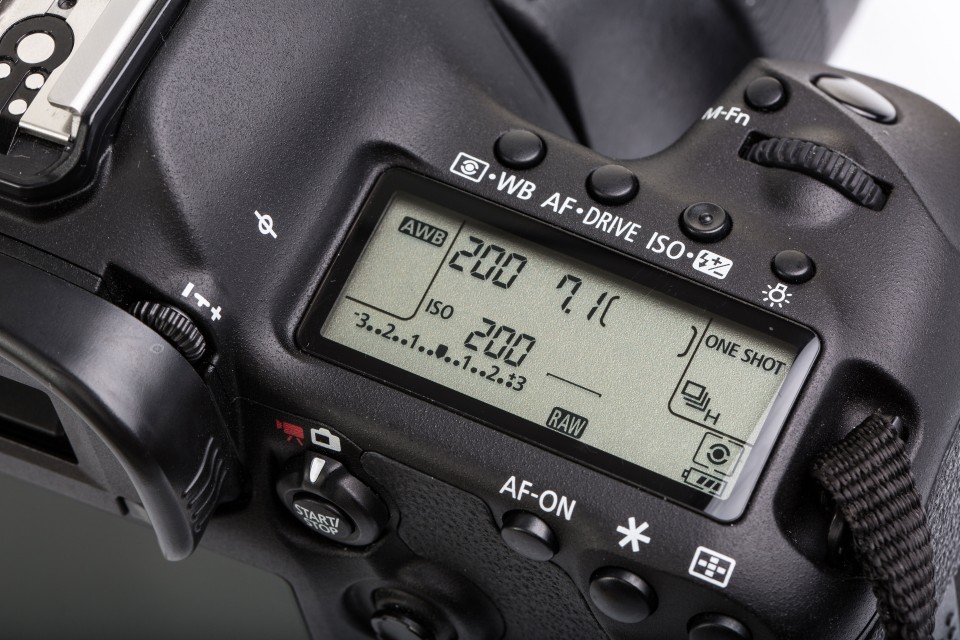
He was talking to me again. “It’s got all these features, there are so many I can’t understand them all. I will never use half of them. What a waste of money.”
I used to teach people to use products like Microsoft Word and Adobe Photoshop. I got a similar reaction: too many tools, things I would never use, really confusing etc
My answer was always the same: you use what you want to use and ignore the rest. The set of features you use will be different from what I use. The manufacturer has to provide them all, at a price point, so the camera meets the needs of as many people as possible. The only problem, surely, is if something is missing that you really need.
If, in the end, all you want is a point and shoot camera, which is really what my friend wanted, save a few thousands, get a very good smaller camera and put the rest to a holiday.
My camera is a Sony NEX-7, no longer made but there are similar things. It has some unusual features. There’s no wifi, no touch screen for start, dials with no labels on.
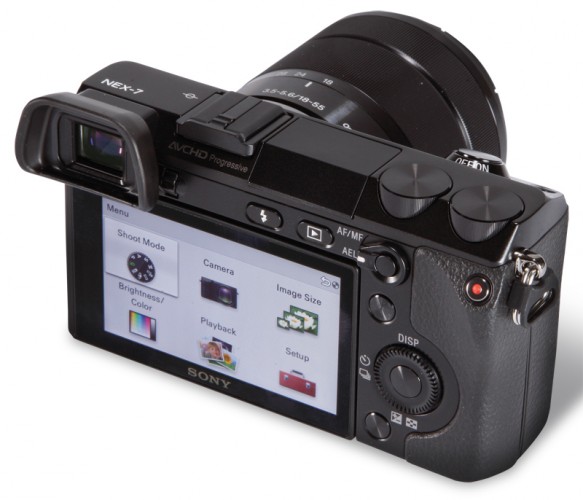
It has a proper viewfinder, OK, electronic, but good enough to show the shot nicely and exposure information. The lens is pretty good, it’s fast, 24MPx, I thought I wouldn’t like the handling, but I do.
Why this choice? Well, the viewfinder means I can hold the camera close to my body, it’s easier to see in bright daylight, it’s not away from your body so it’s more stable. Why no touch screen? Well, I have a big nose. What I like about the dials is that you can assign them to the things you actually use. It suits the way you work, however quirky that is. And it takes super pictures…