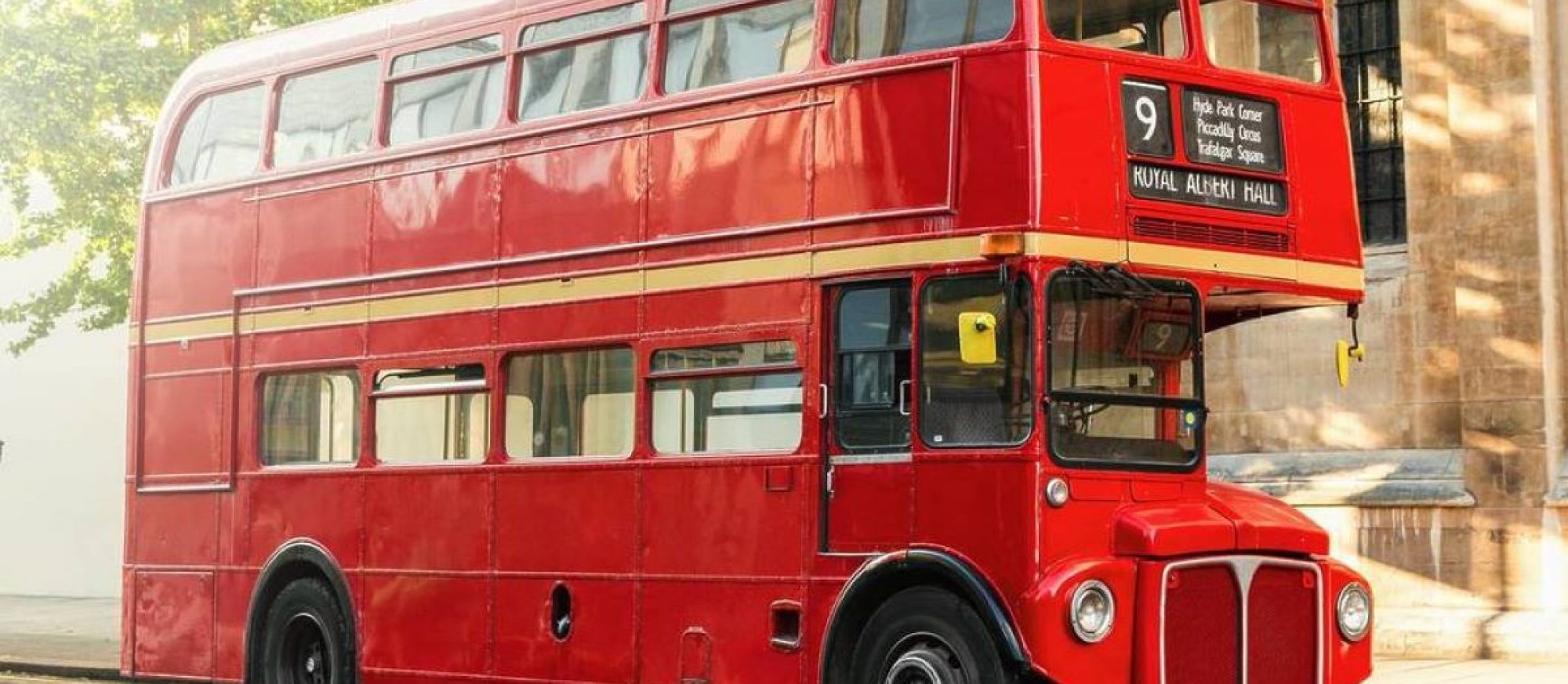
Whatever type of public transport you are using, whether it’s bus, tube (Underground), train, tram, DLR (Docklands Light Railway), you must pay your fare. Ticket inspectors operate on all these services, and, if you get caught not having paid, you will be fined, arrested or worse.
Cash fares are never accepted. You must use a cashless and contactless system. The card or device must be placed flat on the reader for a short time to register.
If you have to tap out, make sure that you use the same card or you may be double charged the maximum fare.
Here are the key alternatives:
Oyster card
You can buy an Oyster card at a ticket machine at any tube station, some train stations, City airport and many small (usually food or convenience) stores in and around London.
When the new card comes out of the machine it is ready to go.
You cannot buy an Oyster card on a bus.
You can buy a card on-line, but only if you live in the UK. Some visitor centres have them too.
They look like this:
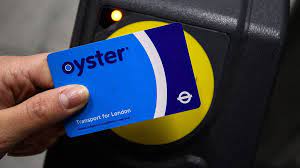
The card itself is currently £7 though that is refundable. The cards do not expire, neither does any credit on it.
You can register your card with TfL on-line that will make it easier to check balances, top it up and get a replacement if required.
What can you put on an Oyster card?
You can charge your Oyster with credit, at any machine or in some stores. You will need a contactless card at a machine to pay for the credit, or cash can be used in shops (plus a limited number of machines).
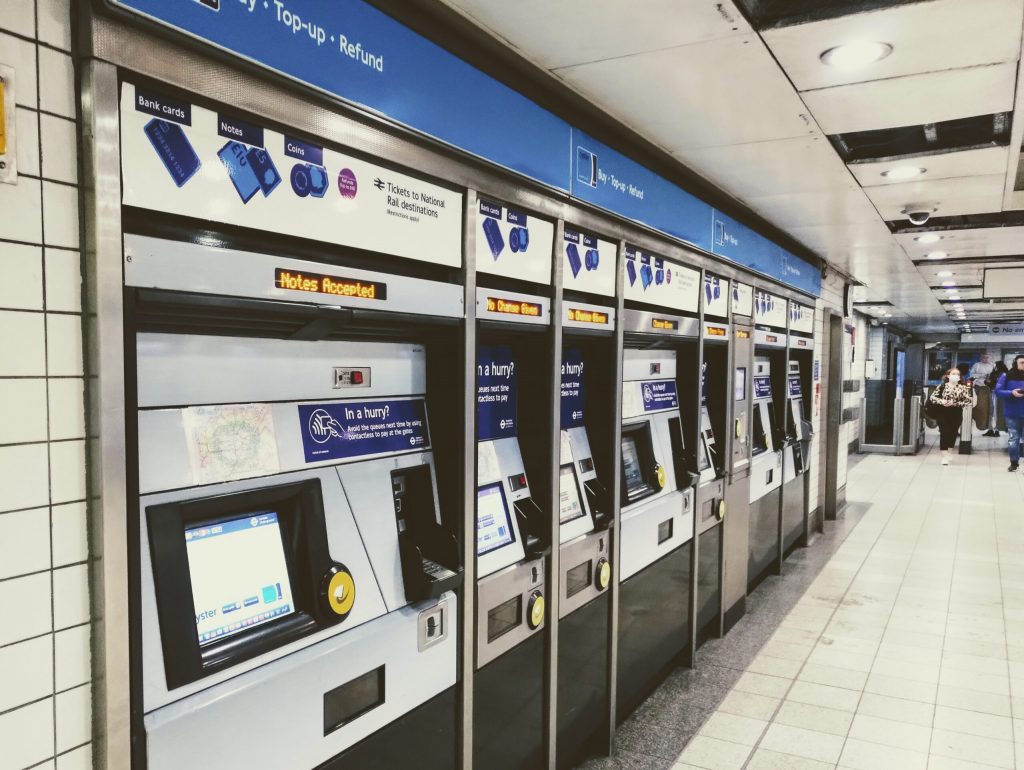
This will allow you to use the card as a pay as you go card, with a cap (ie maximum total spend per day) in certain zones (at the time of writing, for example, an adult zone 1 cap is £8.50).
You can also add a daily or weekly pass (ie 7 days) to your Oyster card. If you are coming for a week, then a 7 day pass may be the best value for money.
A one (1) day pass for zones 1, 2 and 3 is £15.90 at the time of writing. A seven (7) day pass is £50.20
Remember these are for unlimited travel in all these zones on tube, bus, DLR, Overground…