It’s not for us to tell you what to do if you are visiting London. What we enjoy doing may well not interest you. Just look on some web sites, get a decent travel book and ask your friends.
What we can do, what we feel we must do, is tell you things we think you should avoid. Ignore our advice if you like, of course.
This is about food.
You will recognise all the usual suspects in London, McDonald’s, Subway, Starbucks, Burger King and so on. They will probably be very different from your local outlets. They may sell different things, the items may taste different (different ingredients tuned to different tastes), probably more expensive. If you want something special, say, X but with Y not Z, the server will look at you as if you are stupid and will probably give you a sharp no! No flexibility here, they don’t bend over to accommodate your needs. And more expensive.
The UK has a number of chain restaurants. Some are OK, others may well be best avoided. Cafe Rouge, Bella Italia, Garfunkels, Prezzo, Aberdeen Angus Steak restaurants and others seem, in our experience, to offer poor quality at inflated/tourist prices. Never has the microwave worked so hard. Some have been involved in a tips scandal.
Lots of pubs serve lovely food, but beware of these terms. Some offer an extensive menu at cheap prices. Others offer ‘home cooked‘ food, which probably means bought in frozen and microwaved. Some offer ‘home made‘ food. This usually means there is one item, maybe a few, highlighted with the words home made and they should be. It does not mean necessarily that all items are home made. If you are in a pub where you order at the bar and food is brought to your table, then tips are not appropriate.
We know people who object to certain restaurants because of the companies that own them. Pret A Manger had associations with McDonald’s in the past, Giraffe and Harris + Hoole is or were owned by Tesco.
It’s really hard, near impossible, to get a really cold drink in a shop. We don’t do ice.
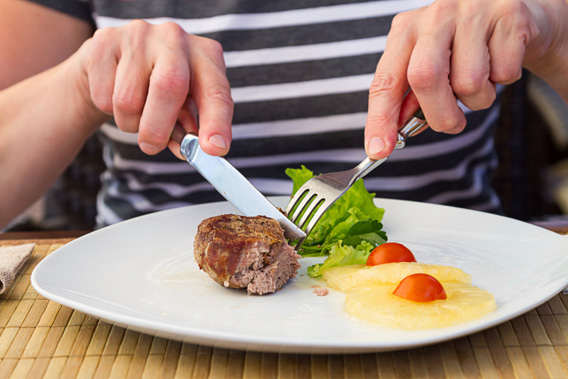
On a different matter, Brits eat pretty much everything with knife and fork. Well, not fast food burgers, but everything else, even pizza. We know how to use cutlery: knife in the right hand, fork in the left. We don’t use one hand, we don’t cut our food up like baby servings, then swap a fork to the other hand to eat.
Your forefinger should be along the top of the knife and fork…
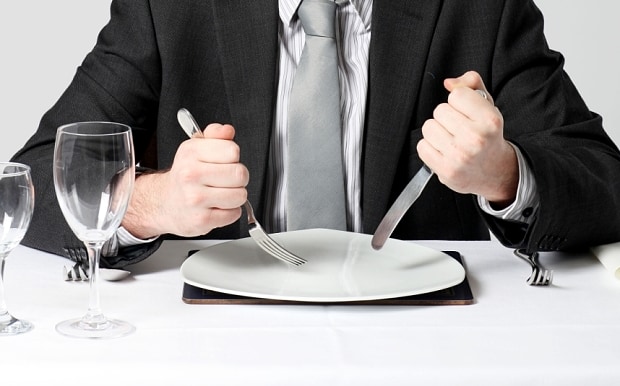
and it is probably the worst bad manners ever to use your cutlery like a dagger:
 nd is underground
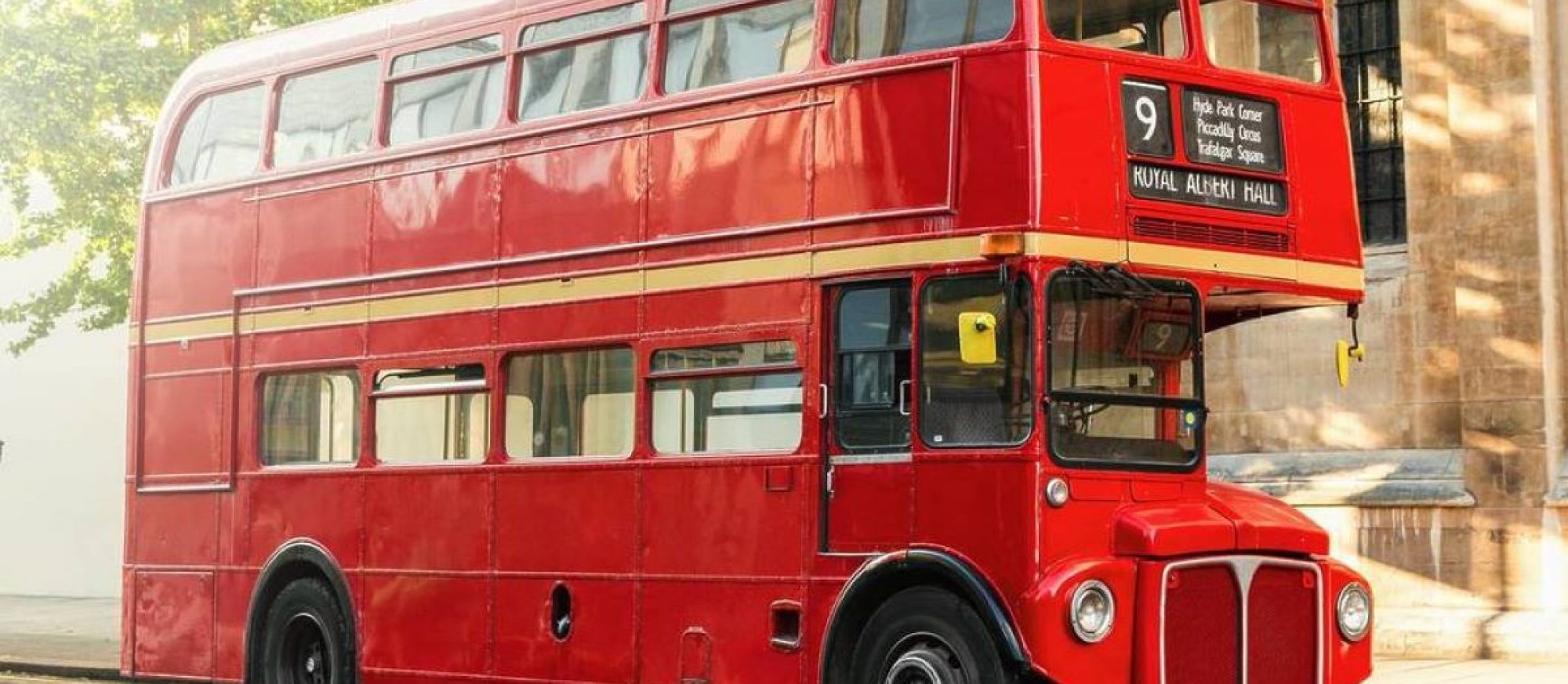
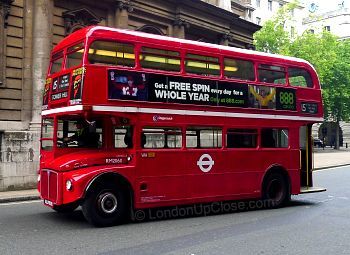 Also, despite what you may have heard, there is at least one bus route that runs the old Routemaster bus. These have the entrance/exit on the back and there is no door. Do not even think about getting on such a bus while it is moving, even slowly, or at traffic lights or whatever. It really is dangerous!