Where in the world?

There are several YouTube videos, usually done by Americans (sorry, but that’s the truth) and usually with a title like “London place names everyone says wrong, even people who have lived in London for years”. Examples given include Holborn (Ho Born), Greenwich (Gren Itch) and Leicester Square (Less Ter Square).

So, let’s just discuss this for a second.

Just to point out, there are thousands upon thousands of place names that people don’t get wrong. I know sometimes people who do not speak English may have trouble with relatively simple things, like “Oxford”, but they get close enough to be understood.

It’s not true to say that no-one, even people who have lived here for years, gets them right. We are not stupid people. We learn.

It’s not a problem, not in London, England or the UK. And, of course, there are places in other countries, eg the USA, where the pronunciation is not obvious, so singling out London is unfair. La Jolla, Des Moines, Puyallup, Arkansas.

Also, we Londoners are reasonably helpful folk. Ask someone where a place is, and we will tell you if we can. Mispronounce a name and we won’t laugh at you, shame you or condemn you to hell. We may ask you to repeat it, simply because we are trying to understand exactly what you want. And we will correct you to be helpful.

I find videos like this to be unhelpful. They paint a picture of people that is unfair. We come over as stupid and intolerant, unhelpful and rude.

Bus stops

If you are a visitor to London, one of the very best ways to get around, if you are not in a hurry, is by bus. But apparently, London buses are a bit confusing, so here are a few bits of basic advice:

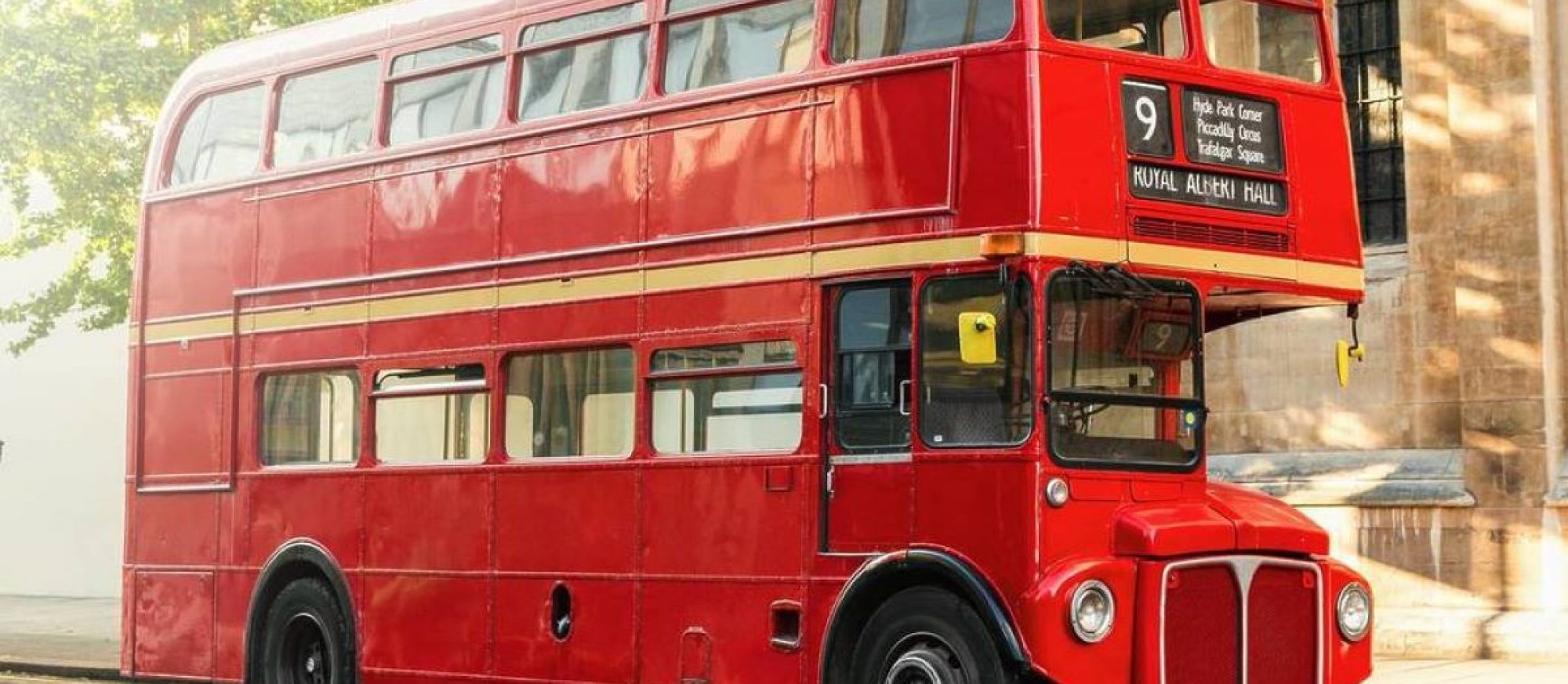
  • not all red London buses are red. Many carry advertising and can be different colours
  • all buses have a route code, usually an number (eg 91) sometimes with a letter (eg W7). Do not confuse the regular buses with coaches (eg to airports) or tour buses
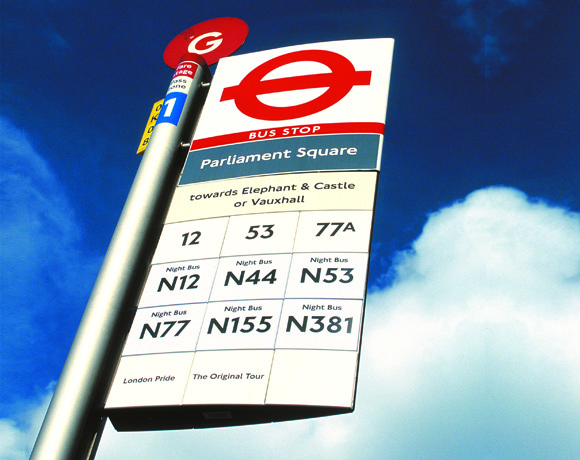
  • many bus routes operate 24 hours a day, every day except Christmas Day. Not all routes operate 24 hours. Night buses are labelled with an N (eg N91). It is possible that a night bus does not go on the exact same route as the regular service – often they can have different or extended routes. Some night buses run only at weekends.
  • not all buses stop at all stops. Look at the bus sign – it should indicate exactly what buses stop where. Most shelters have maps listing destinations, suitable buses and a map showing where they can be caught.
  • bus maps are available for free at tube information desks. Do not pay for a map
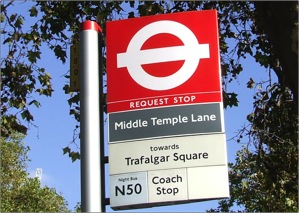
  • bus stops are of two types

compulsory, meaning, the bus stops there regardless

request, meaning you have to indicate to the driver you want it to stop. You do this by flagging the driver with your arm (not last minute though) if you are at the stop, or by pressing the bell once if you are on the bus. Our experience is that compulsory stops are often not honoured, so we advise you to treat every stop as request. The indicator inside the bus will show if it is stopping.

  • expect traffic delays
  • cash is not accepted. Pay by Oyster (or etc) when you get on, not off
  • there are no transfers
  • expect buses to be packed at rush hour
  • many bus shelters have an indicator showing next bus times. These are usually accurate, but not always. There are many very good free travel apps that work in London and will help. We use CityMapper but there are many others.
  • do not attempt to enter or leave a bus except at a proper bus stop, and do not annoy drivers by banging on the door after the bus has left the stop