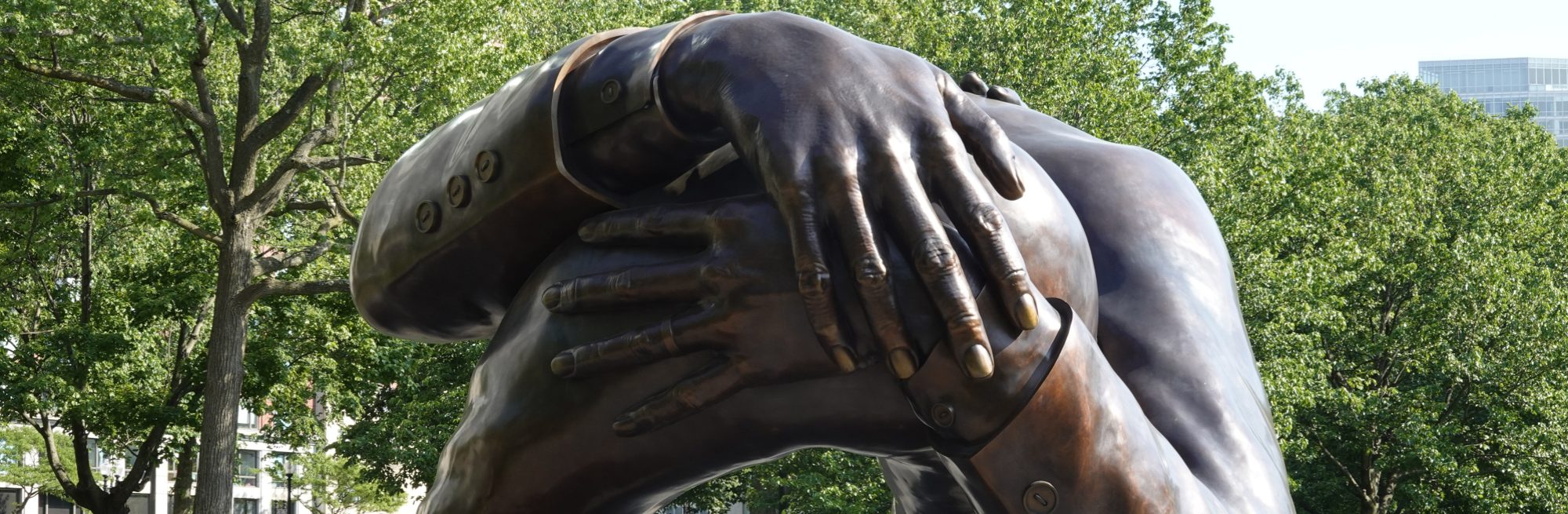
I became interested in photography in my early teens. I had an Ilford Sprite camera that took 127 roll film.
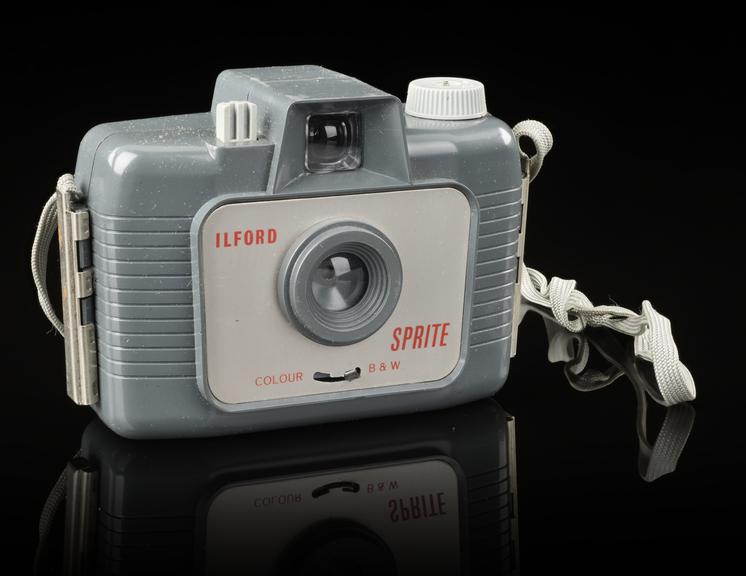
Ilford was a UK company noted for film manufacturing, especially black and white. The Sprite could take colour, but I don’t think I ever tried. I do have a big pile of black and white snaps from the later 60s that still look good.
My parents had a box camera that I never managed to get working.
When I worked in a camera shop, for five years, the big name in photography was Kodak. Kodak was founded by George Eastman in Rochester NY. Eastman had a house there and you can still visit it. There’s a cinema and often photography exhibitions and events.
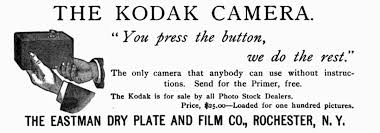
Kodak had a saying: You Press the Button, We Do The Rest. If it was easy to take pictures you would, and you would and buy their cameras and film.
Kodak made all types of film for photographers and for the cinema industry.
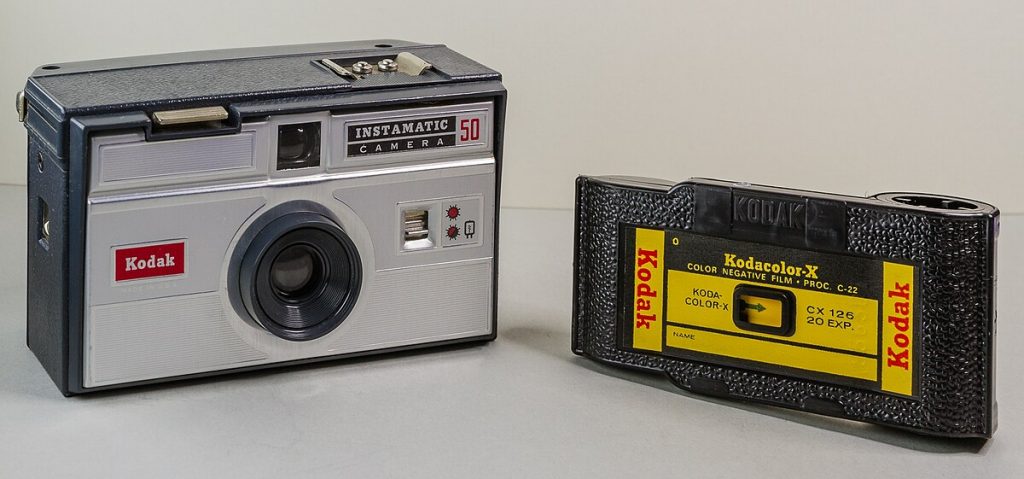
In our shop, by the seaside, the yellow box was a familiar sight and Kodak’s invention, the Instamatic camera, was hugely popular. On a sunny Sunday we could sell literally hundreds of films, and get them processed ready for the next day.
They also invented a smaller size film, the 110. The cameras were tiny. The picture quality was not good because of the small negative size. It was relatively a failure.
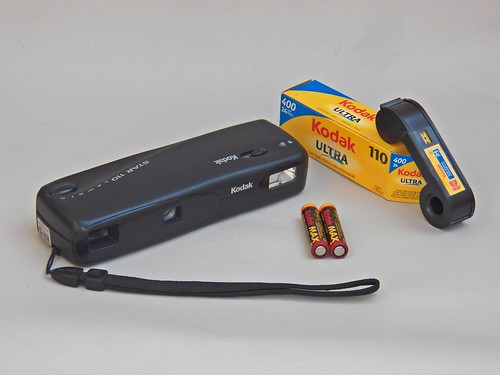
When digital photograhy started to become a thing, Kodak had an opportunity but missed the boat. It’s funny as, technically at least, they invented the first digital camera.
They are still around. Yes, you may be surprised to hear that. They do still make film, especially specialist film for movies. But the company has shrunk, and its future seems uncertain.
Here’s a recent article: https://edition.cnn.com/2025/08/12/business/kodak-survival-warning

