I don’t write that often about current tv, mainly because there’s a lot of it and it is mostly bad, or repeats of bad.
I grew up in the 1960s, when the UK had just two channels (later three), BBC and ITV.
It was a period of time when the UK produced some of the world’s greatest tv, regarded these days as classic cult tv. Many of the series are still shown on the cable channels. They were mostly, perhaps all, filmed on genuine film stock and have survived, and many have been restored and are available on box sets at reasonable prices.
Before they became Gentle Giant they were SDatBS. They made several records, but Kites was their big hit. It’s a stop/start kind of tune, lots of plonky piano and percussion, there’s spoken word in the middle (in Chinese) and lots of Mellotron.
Barclay James Harvest (BJH from now on) was/is a progressive rock band from the UK. They were formed in the north west of England in 1966, as a four piece, as so often from other bands.
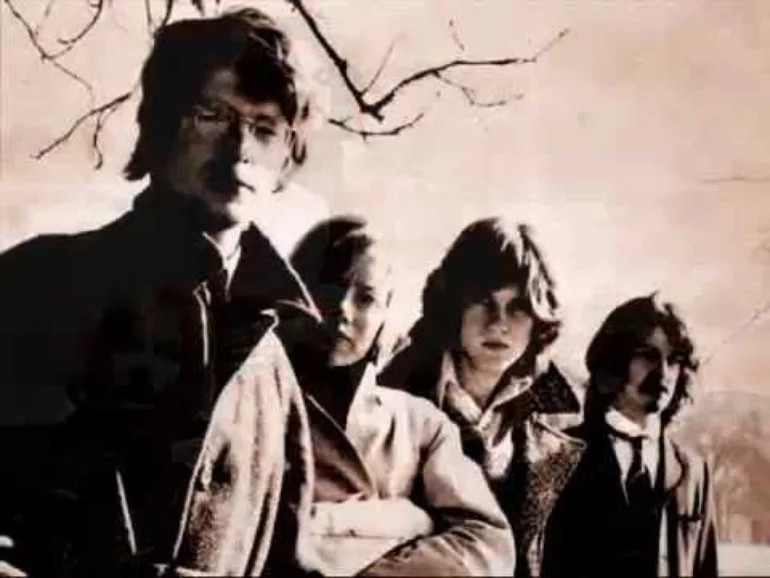
The line up was:
Wolstenholme, Pritchard, Lees, Holroyd
Les Holroyd (bass guitar and vocals)
John Lees (lead guitar and vocals)
Mel Pritchard (drums)
Stuart Wolstenholme (keyboards, guitar and vocals), often known as Woolly.
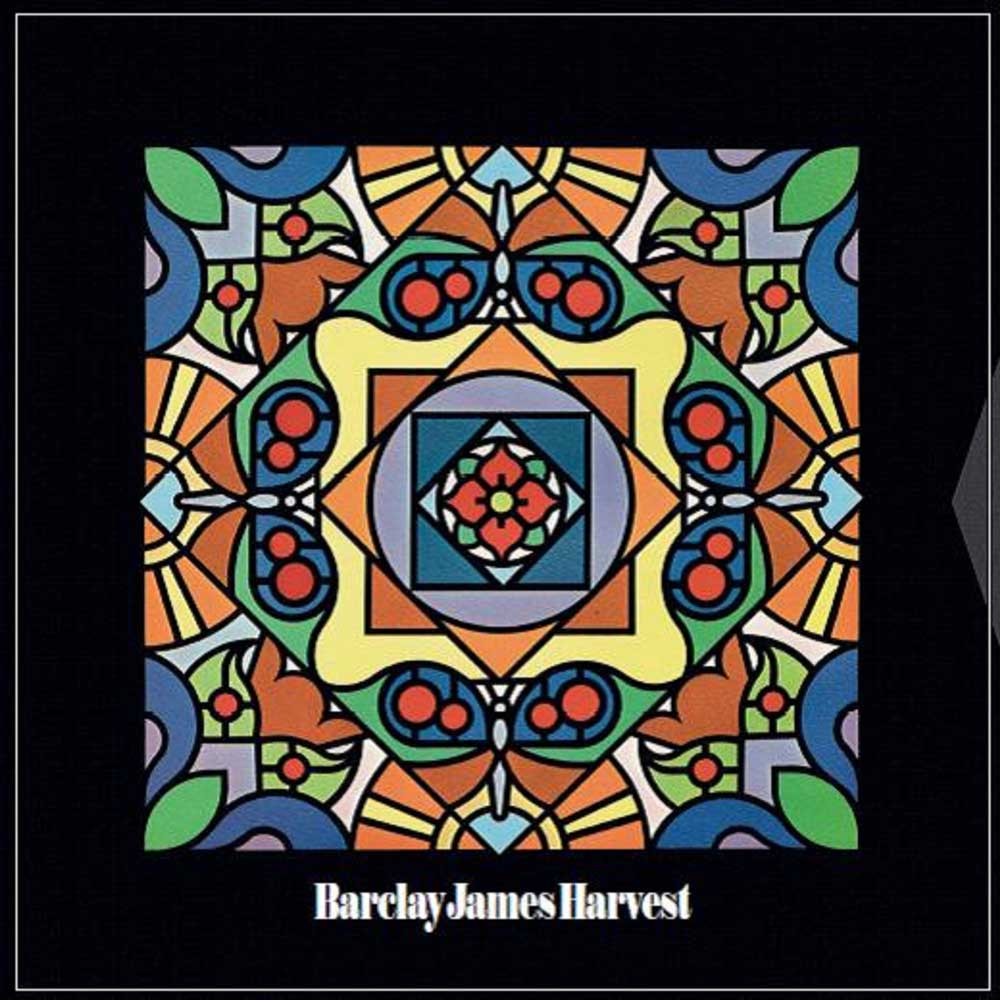
After a couple of singles that received radio play but modest success, they released their first album in 1970.
BJH were signed to EMI and were on their progressive Harvest label. Some say the label took the name from the band, some say it didn’t. Mostly, it doesn’t matter.
It’s an interesting album, rather immature. You can tell it’s prog rock from all the Mellotron, and also the orchestra. There are a couple of rather duff filler tracks, Good Love Child being the main offender, but elsewhere there’s the final track, Dark Now My Sky, with orchestra, ‘choir’ and definite Mahler influences. Les and mostly Woolly share the vocals, and the song writing is credited to the whole band.
This album attracted some attention, and they were regulars on BBC radio.
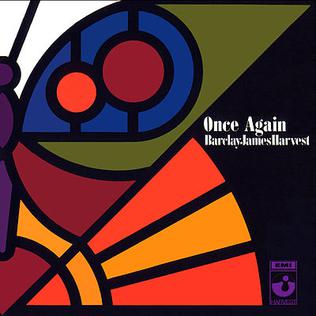
1971 saw the second album, Once Again, in a similar vein with fan favourite Mocking Bird, written by Lees. EMI though enough of it to release a quadraphonic version, and even Alan Parsons plays on it. You know it’s prog rock because of the Mellotron.