“Barry Lyndon”

Kubrick followed “A Clockwork Orange” with his second great cinematic masterpiece, “Barry Lyndon” from 1975.
The film is based on the book by Thackeray, a lengthy tome, with some episodes removed for the film.

The story is of the adventures and exploits of Redmond Barry as he seeks success and fortune in life. The two part, three hour plus film records Barry’s rise and fall.

The story of the production of the film is recorded elsewhere and involves bomb threats while filming in Ireland.

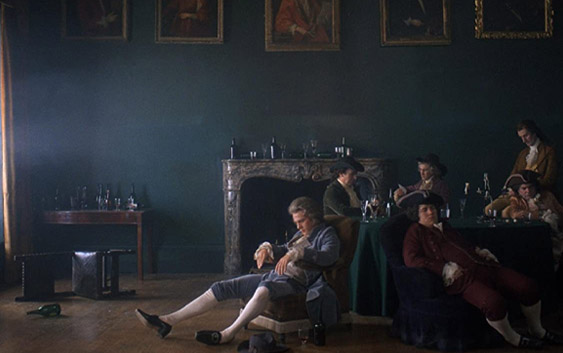
This is a film that has to be seen as a film, not a digital transfer, on the large screen with a clean quality print. It’s slow to develop and a visual treat for the eyes. John Alcott’s photography is some of the best ever seen on the big screen.

The musical choices are superb, especially the Handel Sarabande which acts as the theme music. The styles and complexities of the music reflect the story line.
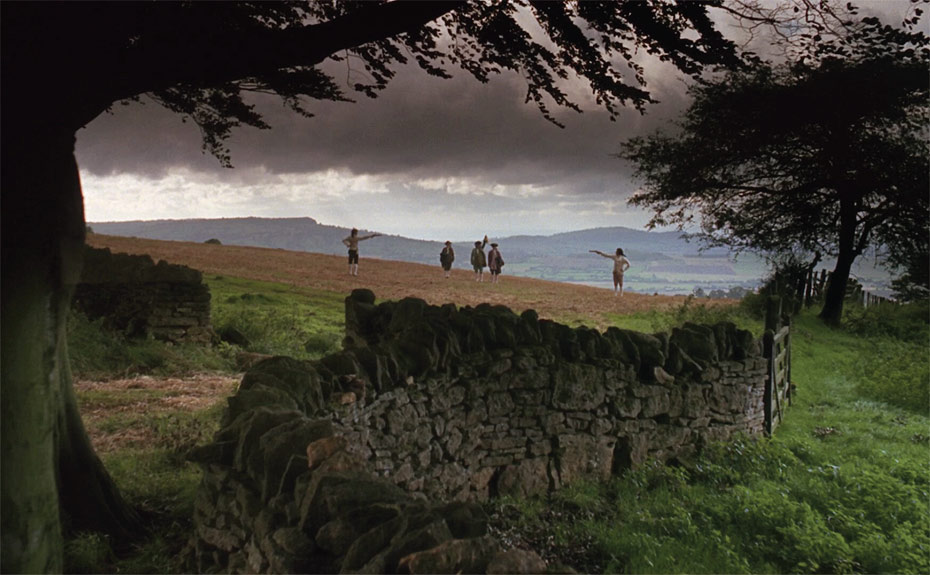
There’s a strong cast, including Leonard Rossiter, Steven Berkoff, AndrĂ© Morell and the wonderful Murray Melvin as the chaplain. Tales of multiple takes seemed excessive at the time, but not compared to later productions such as “The Shining”.

It’s a film to just get comfortable and let it wash over you, as it progresses. If you know paintings by Gainsborough and the like you will recognise the style.
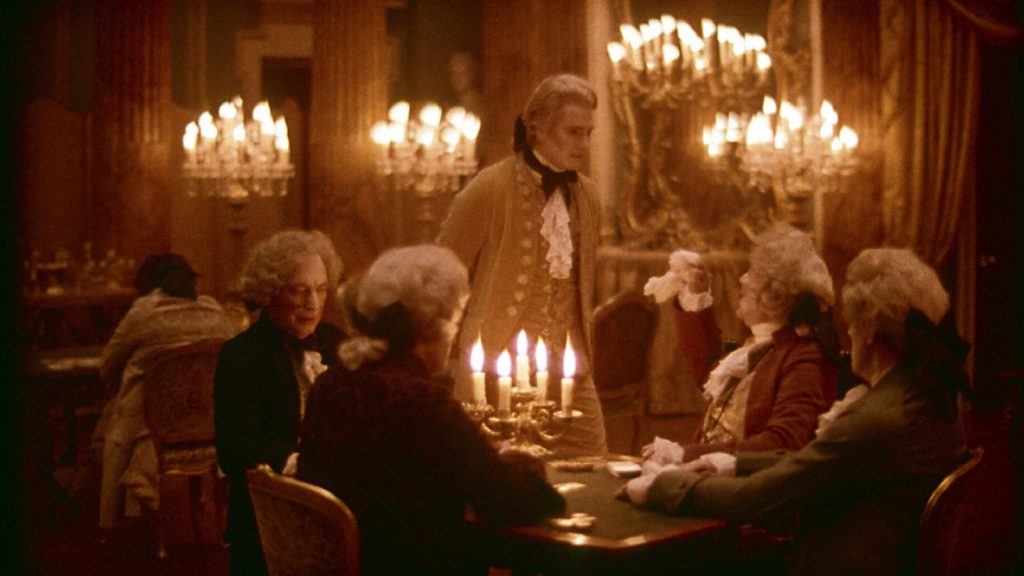
So, what’s not to love? Well, one thing. Ryan O’Neal. Yes, he is, or was a big name, and I believe Warners wanted a headline name. But he’s not very good. He doesn’t have to be a dynamic action hero, of course, but his performance lacks the subtle touch we think it needed. Maybe it was deliberate, maybe Redmond Barry’s problem is that he is slow and rather dim.

While people admired the film when it came out, they didn’t like it. Too slow, Too soulless and distant. It has been re-evaluated in recent years and is still regarded as a true masterpiece. Just not a popcorn film.
“Solaris”

We could not have a list of interesting films without including at least one film by Andrei Tarkovsky, the Russian film director.

The film, from 1972, was based on a book by Stanislaw Lem, the Polish author. Lem apparently did not like the film.

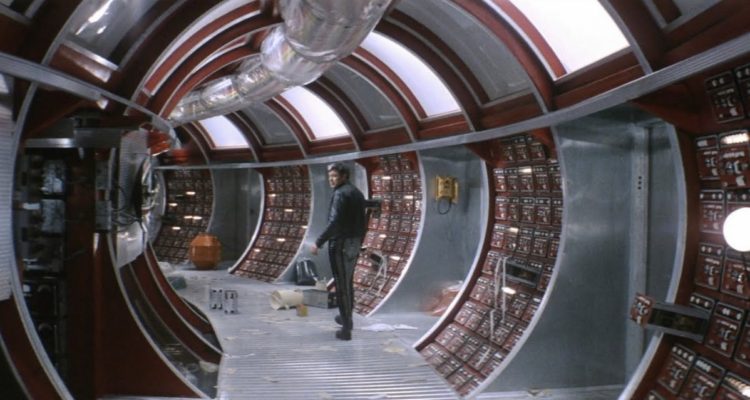
The film was described as a Russian “2001: A Space Odyssey” and that’s why we saw it, at the Curzon cinema in London. It is certainly true that there are some similarities, but where “2001” is meticulous in its detail and accuracy, “Solaris” is more concerned about the human story.

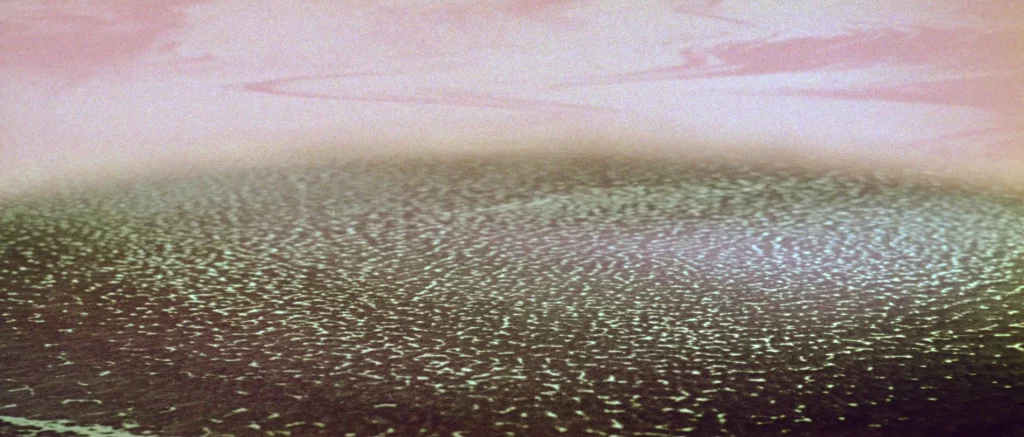
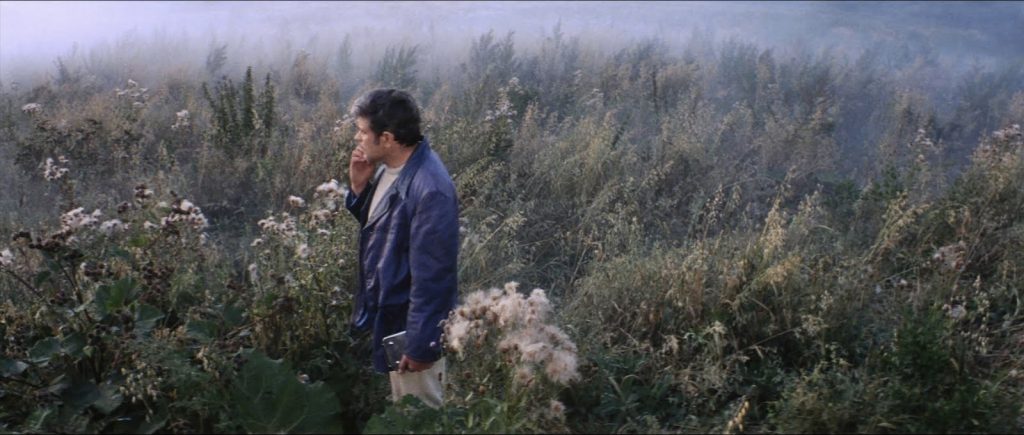
So, the story. Strange things have been happening at the planet Solaris and scientist Kris Kelvin is sent to investigate, but also to decide if the run-down space station orbiting the planet Solaris should continue. He leaves his family on Earth and gets to the space station, where strange things happen.

Like most Tarkovsky films, there are long scenes of water, just being water. There’s the usual Tarkovsky family stuff, this time about his relationship with his father.

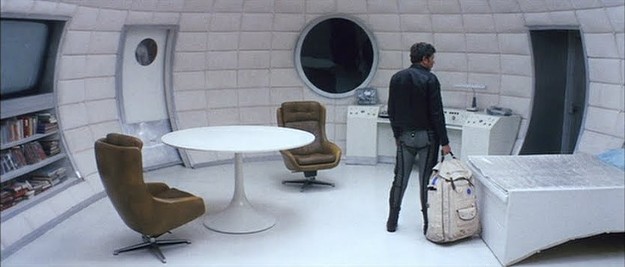
The space station looks tatty and neglected.

His friend has killed himself and the only remaining inhabitants are very secretive. Kris has demons from his own past to fight, and there is some kind of resolution.

It’s a film about what it means to be. How do we know we are human, and what does being human actually mean?

The music is haunting and the ending enigmatic, as you would expect.

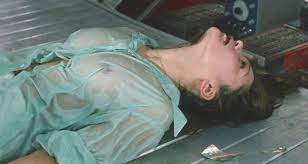
Natalya Bondarchuk is fantastic as Kris’ dead wife Hari, and the whole film has a claustrophobic feel to it.

It’s a good long film that demands your concentration. Yes, it’s slow to start. well, OK, it’s slow.

Just, avoid the George Clooney re-make.

Kurt Vonnegut

We’ve always loved Kurt Vonnegut as an author. He has written some wonderful books. A few have been made into films:

There’s “Mother Night” with Nick Nolte and Sheryl Lee.

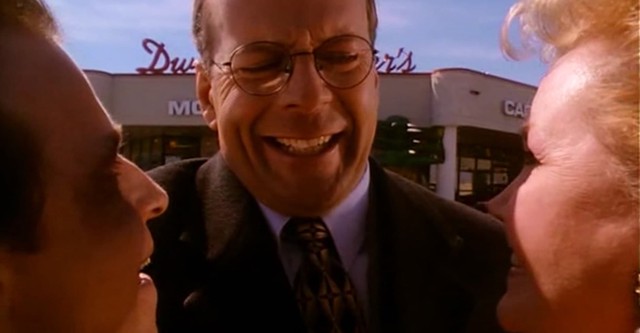
“Breakfast Of Champions” with Bruce Willis.

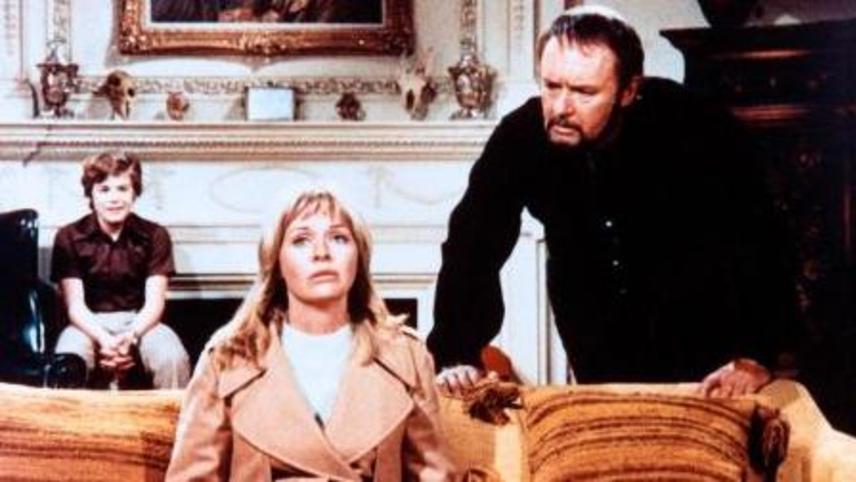
“Happy Birthday Wanda June” with Rod Steiger.

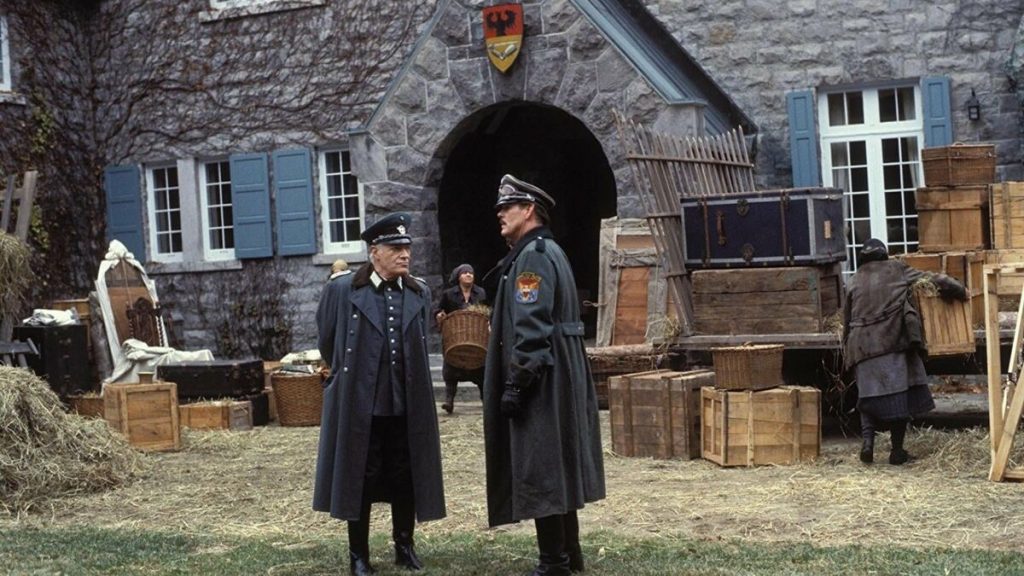
And perhaps Vonnegut’s best known work, “Slaughterhouse Five” with Valerie Perrine.

They are all rather flawed but worth a watch, though very hard to find on home media and never shown on tv.